
InnoSense
Innovation, Consumer Understanding and Sensory Science for Future Food Systems
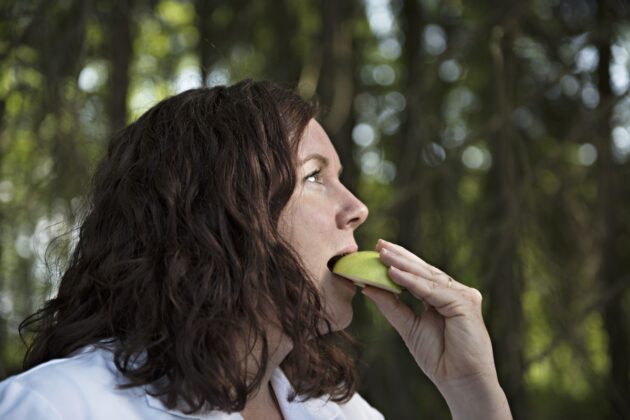
The InnoSense project develops new knowledge and methodologies that support Norwegian food producers in renewing strategies, developing new business models, and offering the market products that meet consumers’ desires for tasty, healthier and more sustainable food.
Start
01. Jan 2025
End
31. Dec 2028
Funded by
The Fund for Research Levy on Agricultural Products (FFL)
The food system is complex and shaped by climatic, political, and societal factors. This complexity affects both consumers, who aim to balance healthy and sustainable choices with enjoyable eating experiences, and producers, who must navigate volatile market conditions and unpredictable events to deliver more and better food using resources efficiently. InnoSense contributes to the development of a more sustainable food system that can address the challenges of the future.
Background
InnoSense responds to urgent societal needs for healthier, more sustainable, and resilient food systems by generating knowledge and tools that empower consumers and industry to make informed choices, reduce food waste, and foster innovation aligned with national and EU strategies for food security, public health, and circular economy.
Objectives
The main objective is to support the Norwegian food industry and consumers in the transition to a more sustainable food system through research-driven innovation and improved understanding of consumer behaviour and sensory properties.
Sub-objectives:
- Facilitating circularity and resilience of Norwegian food companies through the development of practical tools to accelerate the market uptake of sustainability-driven innovations and emerging technologies.
- Advancing knowledge on how rural ecosystems in Norway help small-scale agri-food producers in enhancing resource valorization, exploring diversification pathways, finally strengthening local value creation.
- Expand insight into consumer behaviour, eating experience, and sensory perception related to factors such as processing, sustainability and novel foods.
- Develop and adapt new methods for innovation, sensory science, and consumer research, and collaborate closely with food producers and consumers to improve knowledge transfer.
Project contributions
The project will have high societal and industry relevance.
InnoSense strengthens Norway’s food system by providing research-based insights on consumer behavior, product development, circular business opportunities, and healthier food environments. The project supports companies in utilizing byproducts, adopting innovative technologies, and developing resilient, consumer‑aligned business models. It empowers small-scale and farm-based producers through diversification-roadmaps that enhance the value of local resources and highlight unique regional qualities.
InnoSense advances public health by improving understanding of processing, texture, and satiety, and offers guidance on labeling, nudging, and food environment navigation. The project informs policymakers and contributes to a more self-sufficient, sustainable, and innovation-driven Norwegian food system
Selected Contributions to Date
- We analyze local food producers’ sustainable practices to develop a business model tool, showing how they can diversify their business, utilize resources more effectively, and create additional value from local agri-food products, in turn supporting local communities, creating positive environmental impact, and contributing to food self-sufficiency.
- We map individual differences in consumer attitudes, taste experiences, and food behavior. The insights can be used by food producers to better target different customer segments.
- We apply sensory science in research projects on new packaging materials and shelf-life solutions to ensure sensory quality and consumer acceptance.
- We work continuously on method development within sensory science for trained panel (analytical measurements) as well as consumer (choice and preference) approaches.
How we work
The project is organized into three work packages covering different aspects of the research:
Work Package 1 – Sustainable Food Innovation:
We study how food companies can transition to more sustainable production and be resilient to change by co-developing new business models and practical tools facilitating the uptake of innovative technologies. Also, we work closely with small-scale food producers, and, by analyzing their practices and the surrounding ecosystem, we co-create solutions for efficient use and value creation of local agri-food resources.
Work Package 2 – Healthy and sustainable consumer lifestyles
We examine how consumers perceive and choose food, and what shapes their decisions and eating habits. This includes studying taste, texture and other sensory characteristics, as well as how food environments influence behavior. Through the Follo Study, we follow a group of consumers over time to understand how food habits change.
Work Package 3 – Sensory Research
We use a professional sensory panel and advanced analytical methods to study the sensory properties of foods. We explore how processing affects taste and texture, and how this relates to consumer preferences. We also develop new methods for determining shelf life and reducing food waste.
The three work packages are closely integrated and collaborate to achieve the project’s objectives through interdisciplinary research, in active interaction with other strategic programs and applied research projects with food producers. This ensures rapid implementation and practical application of new knowledge in the industry