
Tastings could open up the market for fermented vegetables in Norway
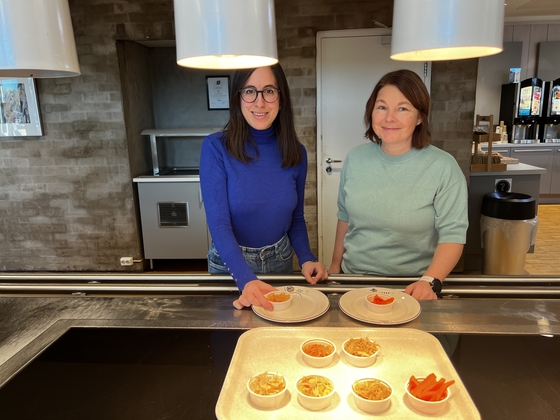
Norwegian consumers are curious about fermented vegetables, but many are unfamiliar with their taste and how to use them. They also want to know more about how healthy these products are.
Key Findings
- Norwegian consumers see fermented vegetables as trendy and healthy, but not as a natural part of their own diet.
- Several vegetables grown in Norway are suitable for fermentation. This preservation method can extend the shelf life of surplus raw materials, develop distinctive flavours and add value.
- Fermented vegetables may have positive effects on health, but the evidence remains limited.
- A better understanding of fermentation and its effects on health could make it easier for consumers to choose fermented foods.
“Tastings may make consumers more willing to try these products. Consumers also want practical advice on how to use fermented vegetables,” says Nofima researcher Laura García Calvo.
She led FermGrønt, a feasibility project in which scientists examined the Norwegian market for fermented vegetables and recent scientific evidence on the health effects of eating them.
Curious, but unsure how to use them
The scientists conducted focus groups with both people who had no experience with fermented vegetables and others who regularly ate them.
Most participants with no previous experience had heard of fermented vegetables but did not know how to incorporate them into meals. They found the sour taste and strong aroma unfamiliar. Nevertheless, many were willing to try the products if they could taste them first and see how they might fit into a meal.
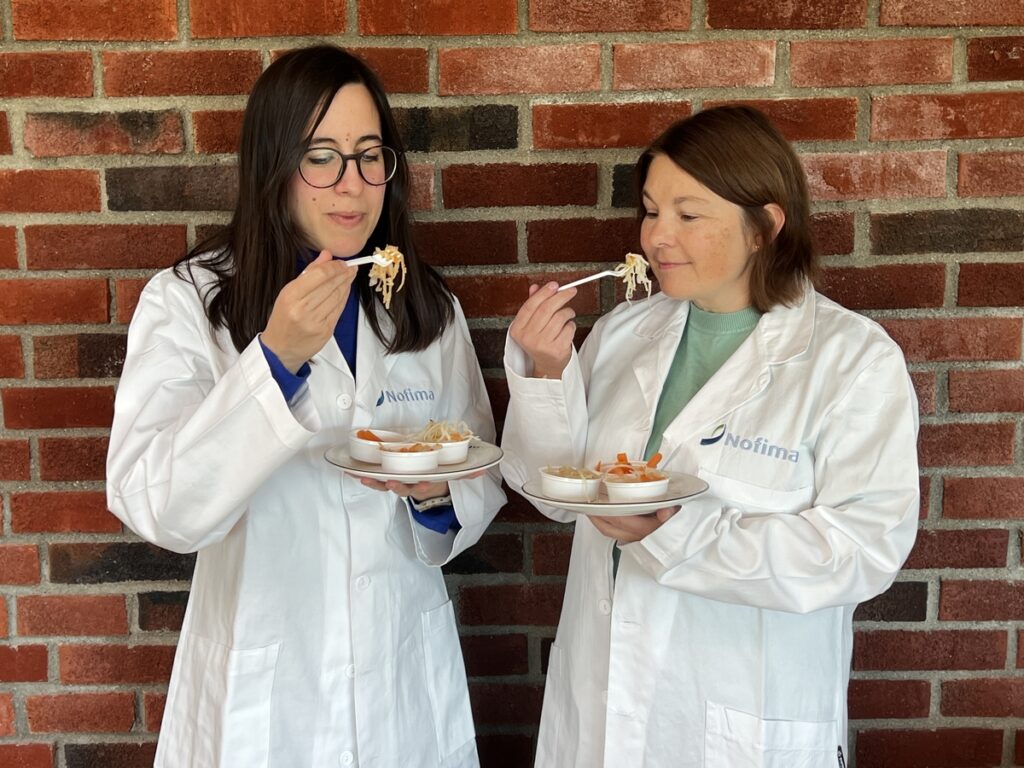
Regular consumers enjoyed the distinctive, sour flavours. They used fermented vegetables to provide a contrast to other foods and to make meals more interesting than they would be with just raw vegetables.
Producers see opportunities
Food producers and a restaurant that uses fermentation also shared their experiences and views in interviews with the project team.
Fermentation extends shelf life, can add value to vegetables and help producers make use of surplus raw materials. However, the market is still developing, and several producers called for more knowledge about food safety, packaging and potential health benefits.
Health effects may vary between products
The scientists also reviewed recent international research findings. A growing body of evidence suggests that fermented foods, including fermented vegetables, may have positive effects on health.
“One study found that people who ate fermented foods showed increased gut bacterial diversity and lower levels of inflammatory markers,” says Ida Rud, senior scientist at Nofima.
She adds: “Individual studies also suggest that fermented cabbage, kohlrabi, carrots or onions may have favourable effects on the gut microbiota and health markers. However, fermented products differ from one another in several aspects, including their bacterial profiles. This means the findings cannot be generalized across products: the effects are product specific.”
Nevertheless, the studies provide further support for the potential health effects of fermented vegetables commonly grown in Norway, including different types of cabbage, carrots and onions. Together, these findings and the availability of locally grown raw materials could offer promising opportunities for Norwegian producers.
“Producers need to know more about what consumers want, what health effects the products may have, and how fermentation can help them make better use of raw materials. This will give them a stronger basis for investing in fermented products made from Norwegian-grown vegetables,” García Calvo concludes.
About the research
FThe work was carried out as part of the FermGrønt feasibility project, funded by the Norwegian funding for research in agriculture and the food industry.
The scientists carried out:
- Characterization of the flavour profiles of Norwegian and international fermented and pickled vegetables.
- Two focus groups: one with nine people who did not consume fermented vegetables, and one with eight “super-users”.
- Seven interviews with producers and other stakeholders.
- A review of evidence on health effects.
- A workshop with scientists, producers and restaurants to explore barriers and opportunities.
Other project partners were Mills AS, Eimealt AS, Restaurant K2 and the Norwegian information office for fruit and vegetables (OFG).
Contacts


Topics
Vegetables
Research facilities