
When cod loses value
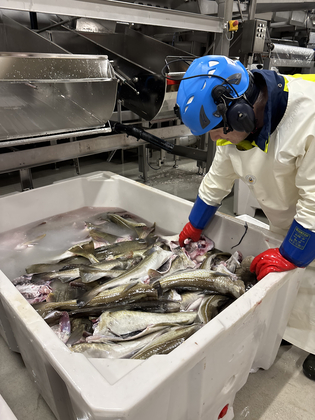
The cod has been landed but will it become valuable loins or a lower-priced product? Damage sustained during capture may already have determined the outcome.
Main findings
- Improved cod quality could increase annual value by NOK 200–380 million.
- Poor quality reduces product value and creates extra work.
- Quality improved in 2025. Shorter soak times and smaller hauls could lead to further improvements.
The Kvalitorsk research project shows that the quality of fresh cod in 2025 was better than previously recorded. At the same time, scientists have documented how quickly value is lost when fish have severe blood defects, gaping or other quality defects.
“Improving the quality of raw cod could increase the industry’s annual earnings by NOK 200–380 million,” says scientist Ingrid Kristine Pettersen.
It is about making the most value of every cod. Poor quality is costly throughout the value chain.
Same fish, very different value
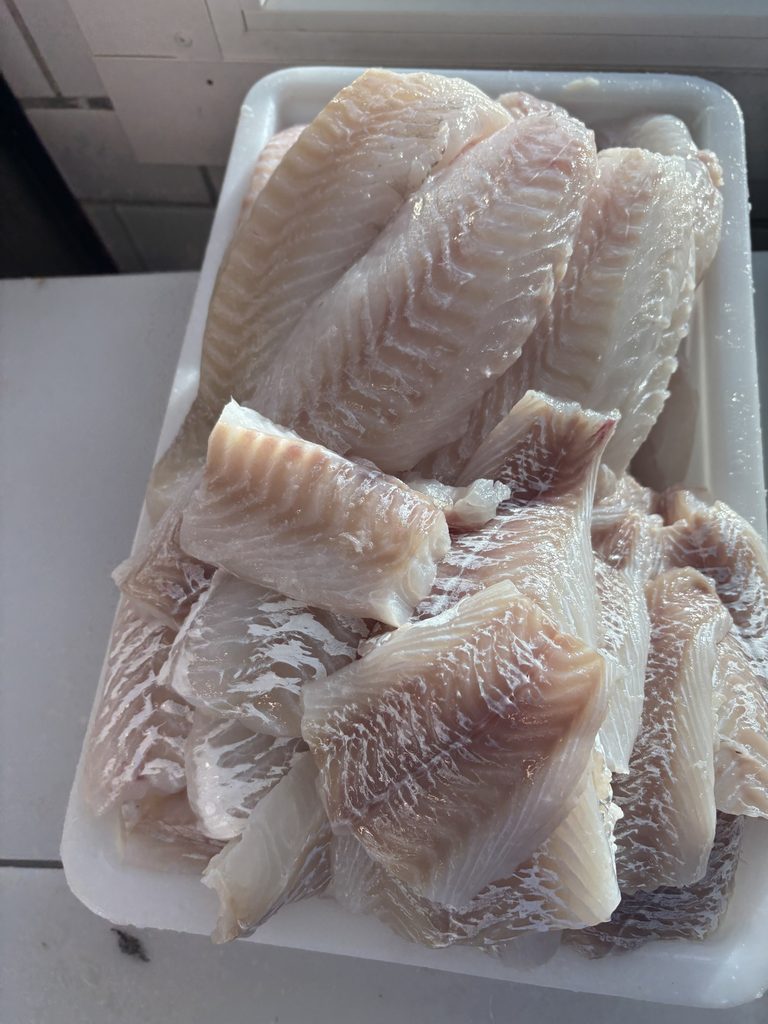
The difference is clear in fillet production.
With high-quality raw material, around 31 per cent of the fish could be processed into loins. For poor-quality fish, this figure fell to 21 per cent, with more of the raw material ending up in lower-value products such as blocks, cuts and trimmings, which command much lower prices.
“And it does not stop there. Poorer raw material required 15–16 per cent more processing time. To produce the same quantity of loins, the company had to spend around 70 per cent more time when the quality was poor,” Pettersen explains.
The fish is the same. The quantity is the same. But the value retained by the industry is entirely different.
Quality defects do not disappear when the fish changes hands. They follow the raw material throughout the value chain.
Interviews with six Dutch fillet producers show what happens when the product fails to meet expectations. Soft fish, fillet gaping, blood defects and old fish result in fewer loins, more trimmings and extra work. In some cases, companies spent 20–30 per cent more time producing the same orders.
When the customer complains, the Norwegian exporter also has to foot the bill.
“Value is therefore lost at several stages; from those who catch the cod to those who process, sell and buy it,” Pettersen concludes.
Quality can be improved
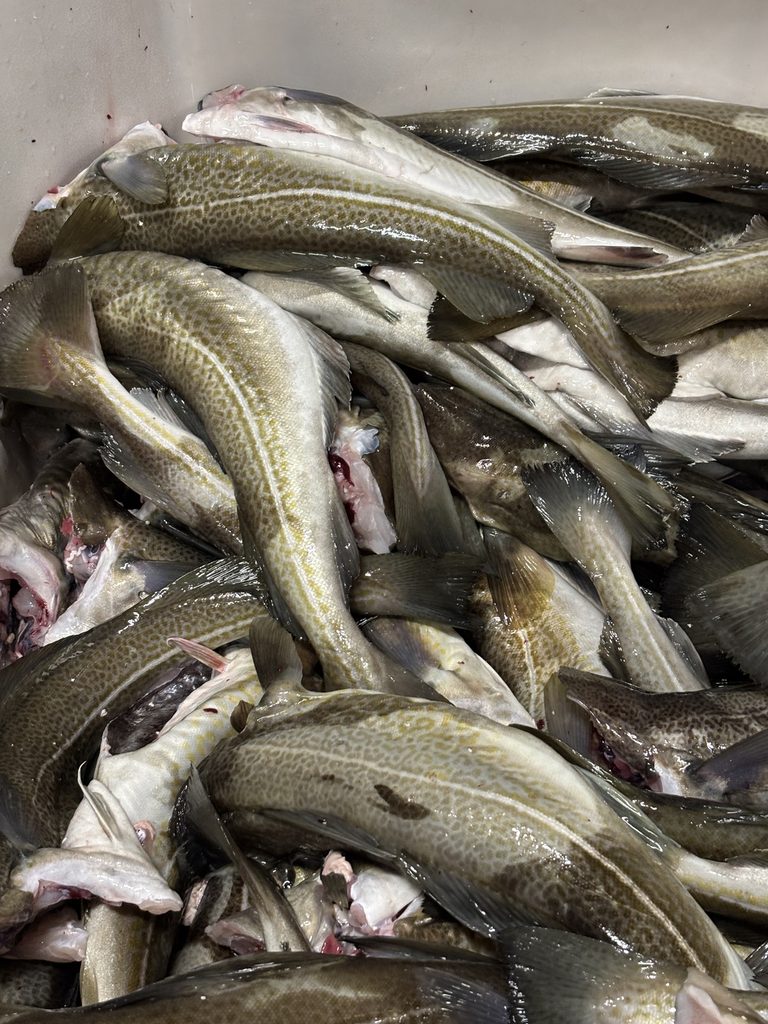
The good news is that quality can be improved.
Assessments of cod quality upon landing showed that quality in 2025 was better across all gear types than in previous years.
Much of the fresh cod is caught using gillnets or Danish seines. Gillnet-caught cod generally includes a high proportion of fish that have died in the gear and are therefore of very poor quality. The fish die when the nets remain in the sea for too long. Danish seines can deliver top-quality fish, but particularly large hauls increase the proportion of poor-quality fish with severe blood defects in the muscle.
“We see that fishers know what it takes to deliver good quality. Shorter soak times for gillnets and limits on Danish seine haul sizes are the two most important individual measures for improving the quality of fresh cod landings,” explains senior scientist Sjurdur Joensen.
When a larger proportion of the catch ends up in lower-priced products, the industry loses value that is already present in the raw material.
“It is about making better use of our limited fish resources, so that more of the fish can be turned into the products for which the market pays the highest price,” Ingrid Kristine Pettersen concludes.
Scientific method
- The scientists carried out production trials in the fish processing industry.
- They analysed catch, export and company data.
- They calculated the economic impact of quality defects.
Facts about the research
Kvalitorsk
In this project, we analyse how variations in raw material quality affect efficiency, product mix, yield and profitability in the production of cod fillets, fresh whole cod, salted cod and dried salted cod.
Research funder
FHF – Norwegian Seafood Research Fund
Publication
Contacts


Topics
Fishing gear