
Four new flavours from Norwegian kelp
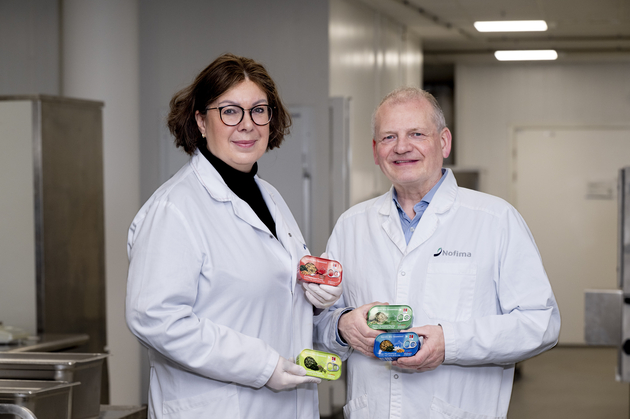
PurSea wanted to turn kelp from northern Norway into food. In Nofima’s kitchens, the search began for the right flavours and textures.
Main findings
- Several rounds of testing and tasting gave the canned seaweed products their great flavour.
- The right chopper gave the seaweed the right texture.
Nofima’s scientists have several years of experience working with kelp as a raw material. Laila Budal, an engineer with a background as a chef, took on the task of developing recipes for the company.
Finding the right flavour
Budal combined ingredients, prepared samples and sent them to PurSea for tasting. Their feedback led to further rounds of testing in the kitchen.
“Some samples needed more flavour, while others needed a different texture to make them appealing as finished products,” Budal explains.
The tough kelp proved a challenge. How could they chop it to achieve the right consistency?
The right chopper made the difference
Budal and Nofima Senior Scientist Dagbjørn Skipnes tested different chopping machines. They assessed how the orientation of the blades affected the kelp and the texture of the finished product.
“A vertical chopper gave us the result we were looking for,” says Skipnes.
They had found a chopping method that could be scaled up for industrial production.
The recipe also had to meet the factory’s requirements. Allergen restrictions ruled out Parmesan and cashew nuts, both commonly used in pesto. Budal developed an alternative without either ingredient.
The collaboration resulted in four flavoursome kelp products: pesto, red curry, green curry and hummus.
Bringing canned kelp to market
The scientists supported the products all the way through to industrial production, combining their knowledge of kelp with expertise in product development and heat treatment.
The kelp was dipped in hot water and then cooled. This treatment changed its texture and reduced its high iodine content. The heat treatment also had to be tailored to ensure the canned products were safe and had a long shelf life.
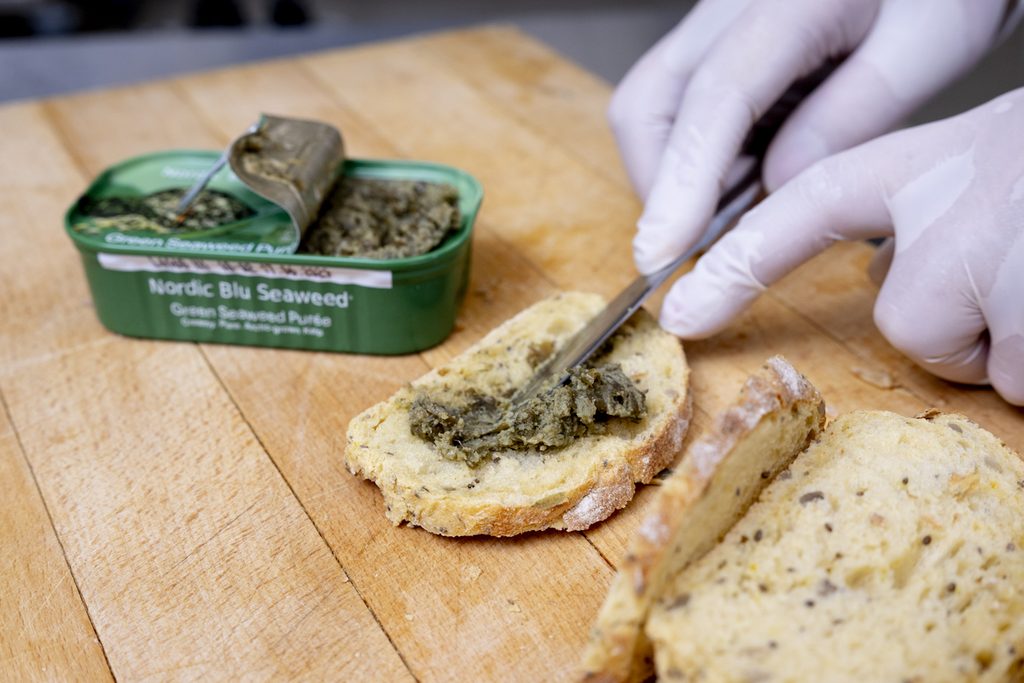
Canned kelp can be used as bread topping. Photo: Jan Inge Haga, Nofima
“PurSea, which initiated and led the project, now has four canned products with a three-year shelf life. They withstand transport well and are easier to sell outside Norway,” says Skipnes.
PurSea also secured industrial production at King Oscar.
For the company, the collaboration has been crucial.
“Our collaboration with Nofima has been crucial at every stage, from the initial idea to the finished can. Without Nofima’s expertise, reputation and network, we would not have come anywhere near as far in bringing the products to market,” says Carl Erik Bergwitz-Larsen, Managing Director of PurSea.
As a member of Norwegian Seaweed Cluster, PurSea shares knowledge about its newly developed products with others in the kelp industry.
“Norwegian kelp companies are very good at working together, both with each other and with research and development organisations. This makes the industry an example for others to follow,” adds Skipnes.
Together, they have turned kelp into products that taste good and are safe and shelf-stable in cans.
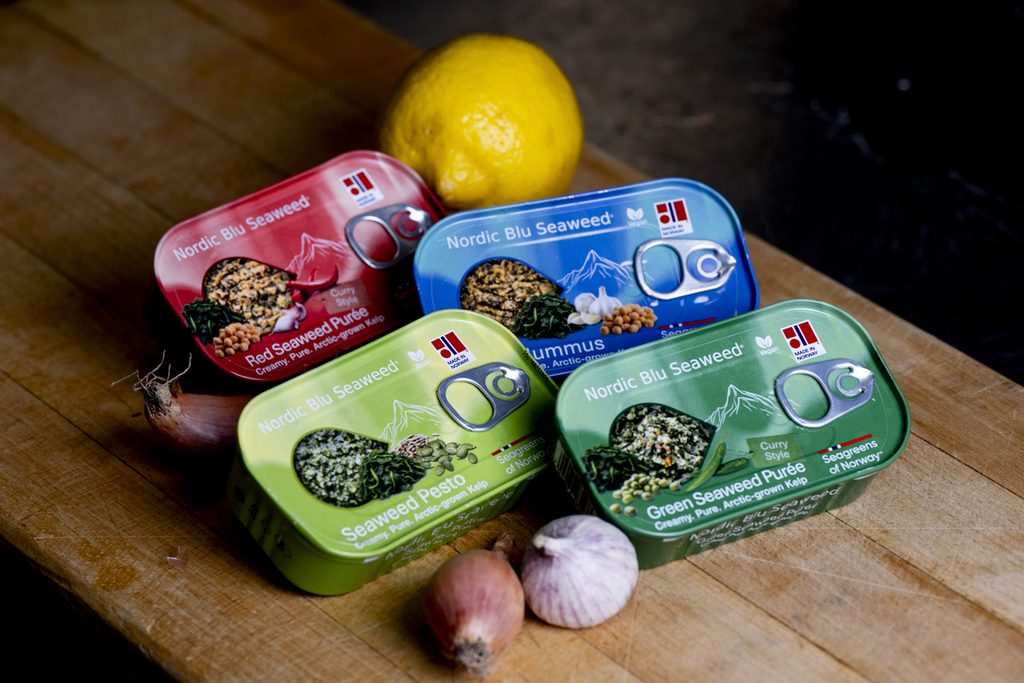
Four flavours of canned kelp from PurSea. Photo: Jan Inge Haga, Nofima
Facts about the research
Research funder
FORREGION Nordland County Council and The Norconserv Foundation
Contacts


Topics
Low trophic species