
Blackcurrants are healthy – but food producers can claim very little about it
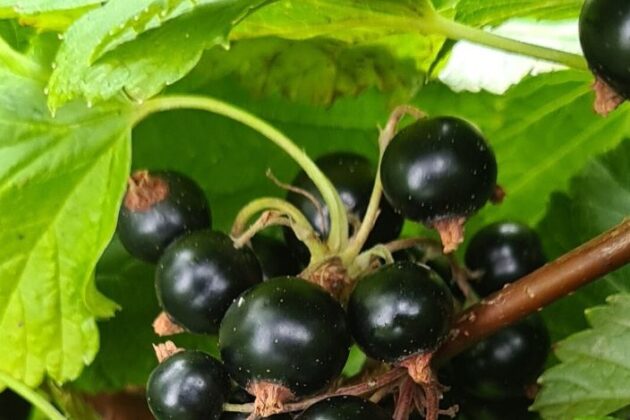
Blackcurrants are rich in vitamin C, dietary fibre and bioactive phytochemicals. Several studies indicate possible positive impacts on heart health, blood sugar regulation, brain function and physical performance. However, the rules are strict when it comes to what producers are actually allowed to claim about blackcurrants and health.
Short summary
- Blackcurrants are rich in vitamin C, dietary fibre and plant compounds such as anthocyanins.
- Products containing sufficient amounts of blackcurrants may carry the claim “high in vitamin C”, and whole berries may also be described as a “source of fibre”. Beyond that, no authorized nutrition claims exist for blackcurrants.
- Studies show positive impacts on heart health, blood sugar control, brain function and physical performance – but the documentation is not yet strong enough to support approved health claims for blackcurrants or anthocyanins.
“We looked at nutritional composition, regulations and scientific studies to provide a clear picture of what can legitimately be said about blackcurrants and health effects on packaging and in marketing,” says Senior Scientist Kjersti Aaby at Nofima.
She is the lead author of the report Næringsinnhold og helseeffekter av Ribes med hovedvekt på solbær.
A source of vitamin C and fibre
Imagine a handful of glossy, dark berries straight from the bush – tart and refreshing. Just 100 grams of blackcurrants provide more than the recommended daily intake of vitamin C for adults. Products containing sufficient amounts of blackcurrants can therefore be labelled as “high in vitamin C”.
Whole blackcurrants contain around five grams of fibre per 100 grams, enough for products made with at least about 60 percent berries to be described as a source of fibre.
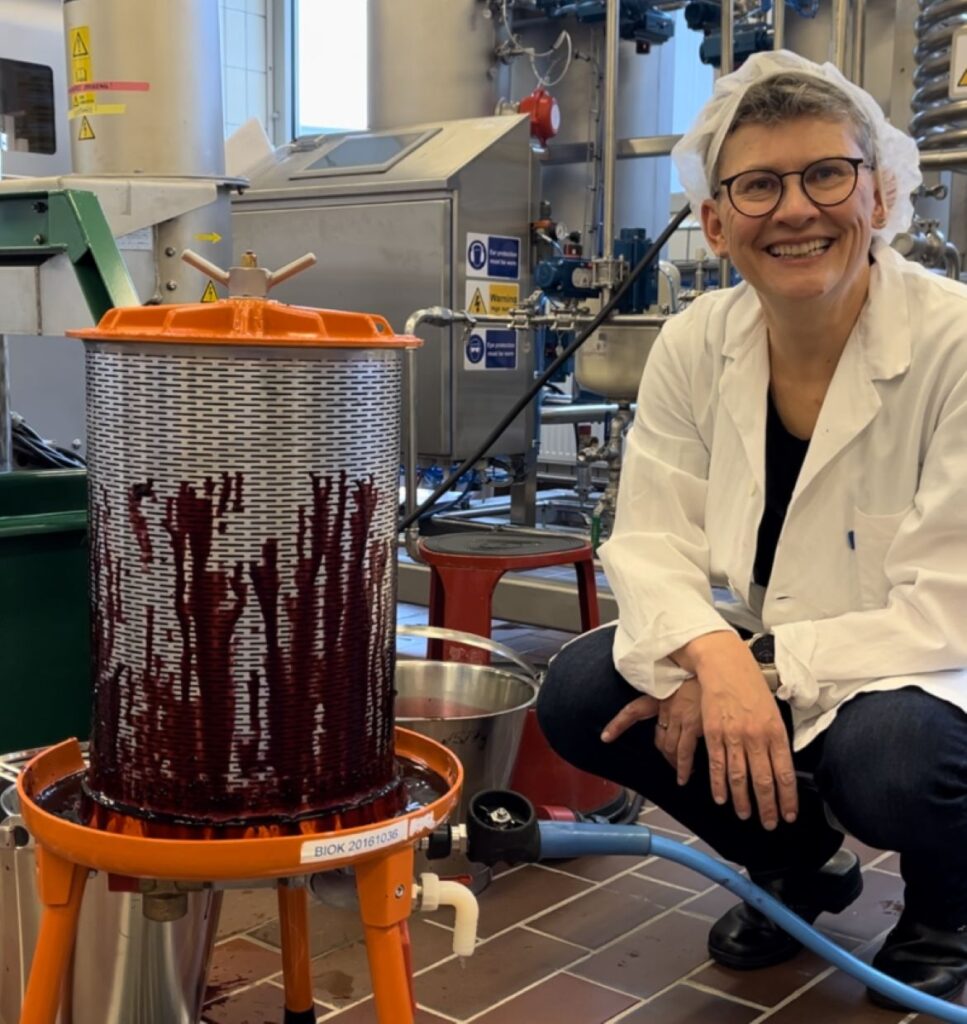
When blackcurrants are pressed into juice, most of the fibre remains in the pressed residues. Blackcurrant juice therefore cannot carry fibre-related claims.
Dark colour, rich in phytochemicals
The almost black colour of blackcurrants comes from anthocyanins – a group of phytochemicals that the body appears to utilize.
“Many studies link anthocyanins to improved cardiovascular health, blood sugar control, cognitive performance and physical endurance, but the regulations require a much higher level of scientific certainty before any health claim can be approved.
Currently, there are no authorized health claims for anthocyanins or blackcurrants,” Aaby explains. It is nonetheless permitted to state that blackcurrants are rich in anthocyanins.
How the knowledge was obtained
The scientists did not carry out new experiments with blackcurrant-based products. Instead, they compiled and assessed existing research on blackcurrants, including studies of nutrient composition, regulations for nutrition and health claims, and trials in which humans or animals were given blackcurrants or blackcurrant extracts.
“Berries contain many compounds that act together, so it’s not possible to identify a single substance responsible for a specific health effect,” Aaby concludes.
Facts about the research
The report is part of the project RibesMax – Innovative and sustainable Ribes production in Norway, funded through the Agricultural and Food Industry Research Funds (FFL/JA), project no. 352855. The Ribes genus includes blackcurrant, redcurrant and gooseberry.
The project is coordinated by NIBIO. Nofima, NMBU, and representatives from all parts of the berry value chain are partners. Running from 2025 to 2028, the initiative aims to strengthen sustainable and profitable Norwegian Ribes production.
Despite long traditions and documented health impacts, Norwegian production of blackcurrants, redcurrants and gooseberries has declined. Today, Norwegian Ribes berries supply only one-fifth of the domestic market, leaving substantial potential for growth. The main goal of the project is to increase the national market share by 50 percent, based on improved sustainability and profitability in Norwegian Ribes cultivation.
Read more in the Nofima report Næringsinnhold og helseeffekter av Ribes med hovedvekt på solbær.
Contact

Topics
Fruit and berries
Research facilities