
Webinar
Salmon Biology at Cellular and Spatial Resolution
We are pleased to carry on the New Frontiers in Salmonid Biology webinar series. In our fourth webinar, we will explore key questions such as: How do cells determine their developmental trajectories, and how can gene expression be understood within its spatial context?
16. September 2026
13:00 - 14:00
Venue
Microsoft Teams
Price
For free
This session will highlight the application of single-cell technologies and spatial transcriptomics in advancing our understanding of salmonid biology.
The webinar is intended for a broad audience, including fish health professionals, academics, students, aquaculture industry stakeholders, and scientists, especially those interested in applying omics technologies to better understand biological processes. The presentations are designed to be accessible to participants without a detailed background in molecular biology or immunology.
Presentations
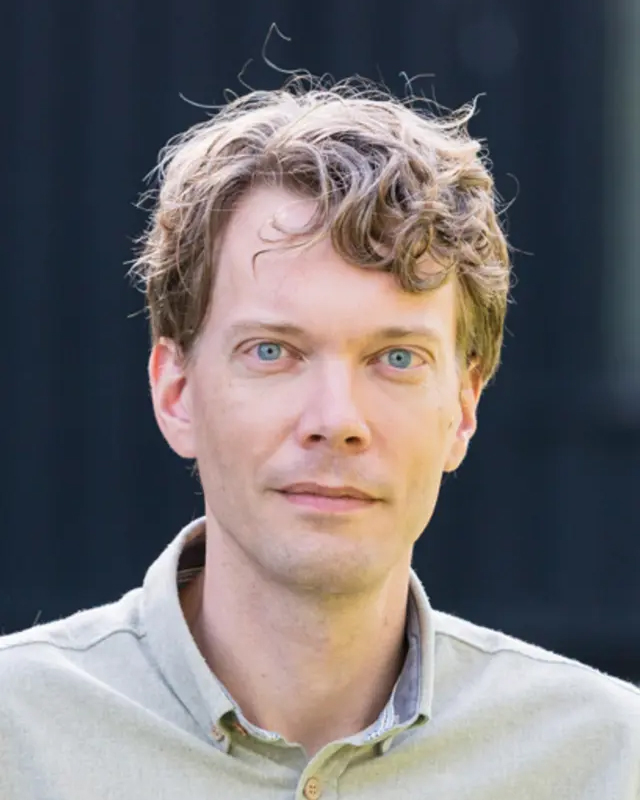
Dr. Christiaan Henkel, NMBU:
Where do salmon cells come from – and why should you care?
After using DNA sequencing technology to map out the genomes of several important fish species, Dr. Christiaan Henkel now applies a related technology to the question of what animals use their genome for. ‘Single-cell transcriptomics’ can precisely, and at massive scale, determine which genes are expressed in specific cell types. In the Salmocode project, Dr. Henkel and his collaborators apply single-cell transcriptomics to the embryonic development of Atlantic salmon. The result is a detailed roadmap of both normal and abnormal development, with important implications for the health of the adult fish.
Dr. Torstein Tengs, Nofima:

What are salmon cells doing?
For nearly three decades, Dr. Tengs has worked with genetic data from a wide range of species, including bats, musk ox, chickens, unknown viruses, algae, plants, trees, and a wide range of fish species. The development of tools to study molecular biology has accelerated with the emergence of new DNA sequencing techniques and improved computational capacity. The most advanced strategy to study gene expression patterns is called ‘spatial transcriptomics’ and Dr. Tengs and colleagues have explored this technology in the context of farmed Atlantic salmon. Their results show the fascinating diversity of cell types that can be found in the fish and the correlation between gene expression and tissue type.
